
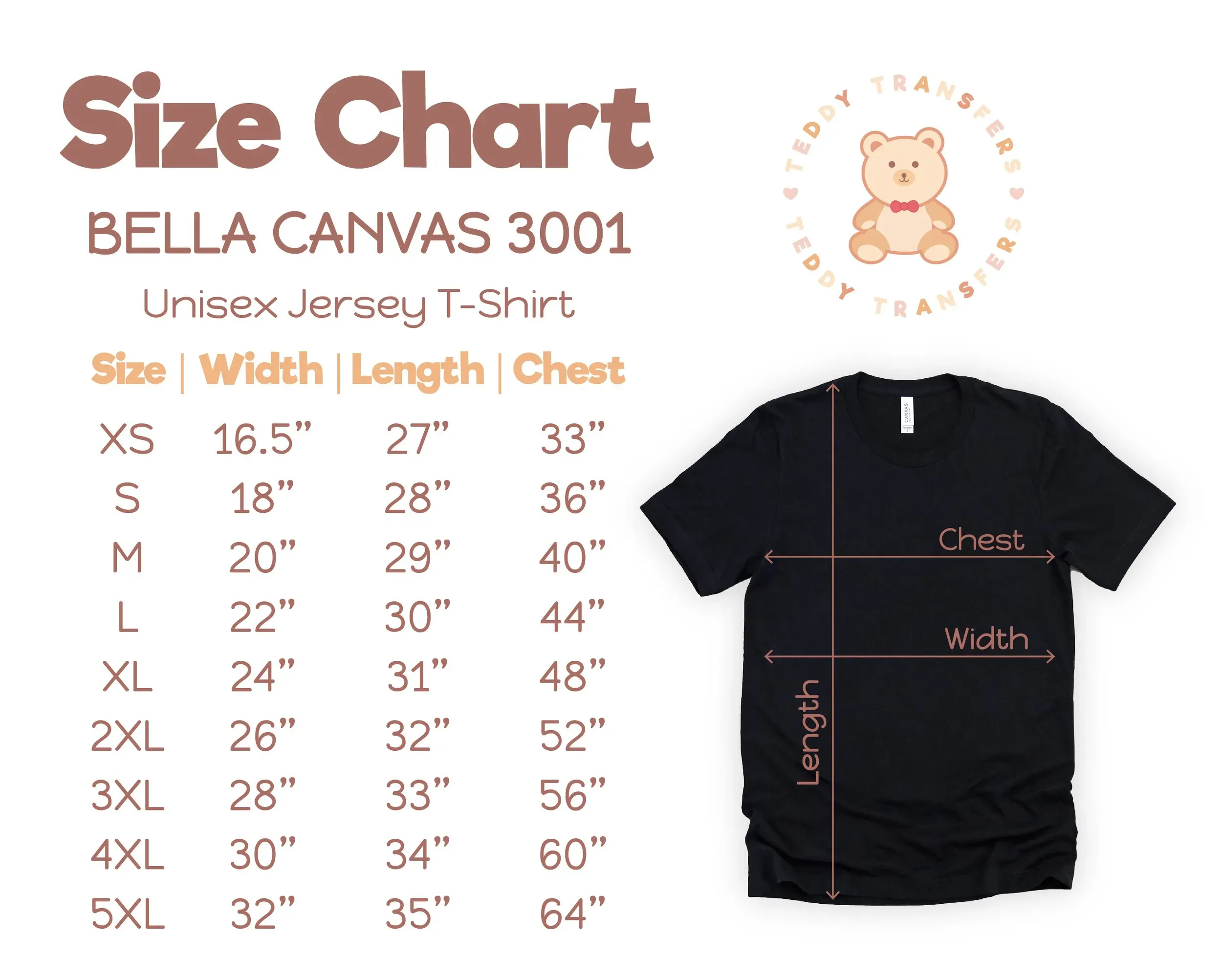
DTF Transfers by Size are revolutionizing the world of custom apparel design, allowing designers to create stunning prints with exceptional quality across a variety of fabrics. As Direct to Film (DTF) printing continues to grow in popularity, understanding how size affects the transfer process has become paramount for every apparel designer. This method not only enhances the vibrancy of designs, but also ensures compatibility with different textiles, making it a versatile choice in the garment industry. With the right considerations, such as the appropriate size scaling and material suitability, designers can achieve remarkable results in their apparel creations. Join us as we delve deeper into the key aspects of DTF transfers by size, providing insights that will elevate your designs to the next level.
When exploring the concept referred to as DTF Transfers by Size, it’s essential to consider its implications for various types of print applications within the fashion industry. The technique, often described as transfer printing or DTF printing, allows for customization of designs on different fabrics, enhancing the apparel design process. DTF printing employs a unique method where prints are created on a film before being transferred onto garments, making it an effective choice for achieving vibrant, eye-catching graphics. Understanding the importance of size in this context can aid designers in maximizing the potential of their artwork, ensuring that the resulting custom apparel meets both aesthetic and functional standards. As we dive into the intricacies of this transfer method, we’ll uncover how size influences everything from design clarity to fabric compatibility.
Understanding DTF Transfers: An Overview
In the world of fashion and functional apparel design, Direct to Film (DTF) transfers have emerged as a game-changer. DTF printing allows designers to transform their creative visions into reality, offering a unique way to apply vibrant visuals directly onto a variety of fabric types. By using specialized films, the printing process can achieve excellent detail and color richness, making it a favored choice for custom apparel. Designers can produce intricate patterns and graphics that stand out, making their products more appealing to potential customers.
Moreover, the use of DTF transfers caters to various fabric compatibilities, making it versatile for various apparel applications. Whether you’re working with cotton, polyester, or even some blends, DTF can be adapted to suit different material needs. This level of adaptability expands the horizons for designers, enabling them to experiment with diverse textiles and create customized pieces that resonate with their target audience.
DTF Transfers by Size: Key Considerations
When discussing DTF Transfers by Size, several key considerations come into play, particularly for those engaged in apparel design. Size affects not just the visual impact of a print but also its overall quality. Smaller designs can struggle to maintain intricate details, as the resolution may diminish when reducing artwork. Conversely, larger transfers allow for bold graphics but may encounter issues like misalignment or distortion if not applied correctly. Therefore, apparel designers must plan their designs while considering the final size to ensure the desired quality and clarity are achieved.
Furthermore, achieving consistent results requires an understanding of optimal DPI settings based on the design dimensions. Maintaining a high DPI, typically around 300, is essential for clear prints, regardless of the transfer size. This is where experienced designers can leverage their knowledge to optimize each print, aligning size with quality expectations and ensuring that every item produced meets industry standards.
Material Compatibility with DTF Printing
Choosing the right fabric is vital when working with DTF transfers, as each material’s unique properties can significantly influence the final output. Cotton and polyester are known for their great compatibility with DTF printing, providing excellent adhesion and print quality. However, this compatibility varies, and not all fabrics react well to the DTF process. For instance, materials like nylon may pose challenges, affecting the vibrancy and accuracy of prints due to their different heat processing characteristics.
Apparel designers must assess how their chosen fabric interacts with DTF inks and adhesives during the application process. This consideration becomes even more critical when scaling designs and transitioning between smaller and larger print sizes, as the characteristics of the fabric can lead to variations in how the transfer appears. Understanding fabric compatibility can help designers avoid potential pitfalls, ensuring that the final apparel product captivates customers with its quality.
Cost Efficiency in DTF Transfer Production
Producing DTF transfers also involves a keen eye on cost efficiency, particularly as the size of the designs fluctuates. Larger designs typically lead to higher material usage, which can put pressure on the production budget. Apparel designers must carefully assess their pricing strategies, balancing creativity with financial viability, especially in bulk orders where the per-item cost can quickly compound.
By evaluating costs associated with size and material usage, designers can make informed decisions regarding their production processes. A practical understanding of how scaling affects costs will assist them in strategizing ahead of time, helping maintain profitability without sacrificing quality in their custom apparel offerings.
Design Complexity and Scaling Challenges
Design complexity can pose significant challenges when producing DTF transfers, particularly in how size impacts the clarity and details of the print. Intricate designs that look stunning on larger garments may lose critical details when scaled down. It is, therefore, important for designers to simplify their designs or adjust artwork accordingly, particularly when preparing for smaller sizes.
Maintaining visual impact is essential in apparel design, and resolving the challenges tied to scaling requires a thoughtful approach. Designers must recognize that clarity is paramount, especially for larger applications, as any loss in detail can adversely affect customer perception and satisfaction.
Mastering Application Techniques for DTF Transfers
Application techniques play a crucial role in the success of DTF transfers, requiring different approaches based on the size of the print being applied. Larger transfers may necessitate longer pressing times to ensure proper adherence, while smaller prints demand a delicate touch to prevent damage due to inconsistent temperature and pressure.
Achieving consistent results across varying sizes demands continuous experimentation and adjustments. Designers must master these techniques to ensure quality and durability in their final products, as high-quality application contributes significantly to the apparel’s overall appearance and consumer appeal.
Frequently Asked Questions
What are the key factors to consider for DTF transfers by size in apparel design?
When designing DTF transfers by size, key factors include size scaling and quality, material compatibility, production costs, design complexity, application techniques, and keeping up with current innovations in DTF printing. Each element influences the final outcome and effectiveness of the transfer on garments.
How does the size of DTF transfers impact fabric compatibility in apparel design?
The size of DTF transfers can significantly impact fabric compatibility. Larger designs may show variations on different fabric types, especially when working with textures and colors. Typically, cotton and polyester work well with DTF, while fabrics like nylon might cause issues in larger applications.
What is the recommended DPI for optimal DTF transfers by size?
For optimal clarity in DTF transfers by size, a DPI of 300 is widely recommended. This ensures that the intricate details of the design are preserved, regardless of whether the transfer is small or large.
What cost considerations should apparel designers have for DTF transfers based on size?
Cost considerations for DTF transfers by size include the increased material usage and longer print times associated with larger designs. Apparel designers should strategically balance their creative goals with budget constraints to maintain profitability on bulk orders.
How can design complexity affect the quality of DTF transfers when considering size?
Design complexity can greatly affect DTF transfer quality. Highly intricate designs may not scale down well, leading to a loss of detail in smaller prints. Designers should simplify artwork when needed to maintain visual impact, especially in larger applications.
What application techniques are essential for successful DTF transfers by size?
Successful DTF transfer applications require attention to heat press settings, which vary by size. Larger transfers typically require longer pressing times, while smaller prints need careful handling to prevent damage from uneven temperatures. Continuous testing is essential for achieving consistent results.
| Consideration | Details |
|---|---|
| Size Scaling and Quality | The size of designs affects clarity and precision. Smaller prints may lose detail, while larger prints risk warping if not handled properly. |
| Material and Fabric Compatibility | Certain fabrics are more compatible with DTF, such as cotton and polyester. Understanding these relationships is crucial for larger applications. |
| Cost Efficiency | Larger designs can increase material and production costs. Designers should balance creative goals with budget constraints. |
| Design Complexity and Size Limitations | Complex designs may not scale well, leading to loss of detail in smaller prints. Adjusting artwork is often necessary. |
| Application Techniques | Temperature and pressure settings need to be adjusted for different sizes. Proper testing ensures quality application. |
| Current Innovations | Staying informed on the latest advancements in DTF technology is vital for achieving superior results across various sizes. |
Summary
DTF Transfers by Size is a critical consideration for every apparel designer aiming to enhance their product offerings. This topic encompasses various aspects such as the impact of size on design clarity, fabric compatibility, cost implications, and the intricate relationship between design complexity and size limitations. By understanding these factors, designers can not only optimize their printing processes but also elevate the quality and visual appeal of their apparel, ensuring customer satisfaction and business success in a competitive market. Embracing innovative technologies and applying best practices in size management will further empower designers to push the boundaries of their creative potential.