
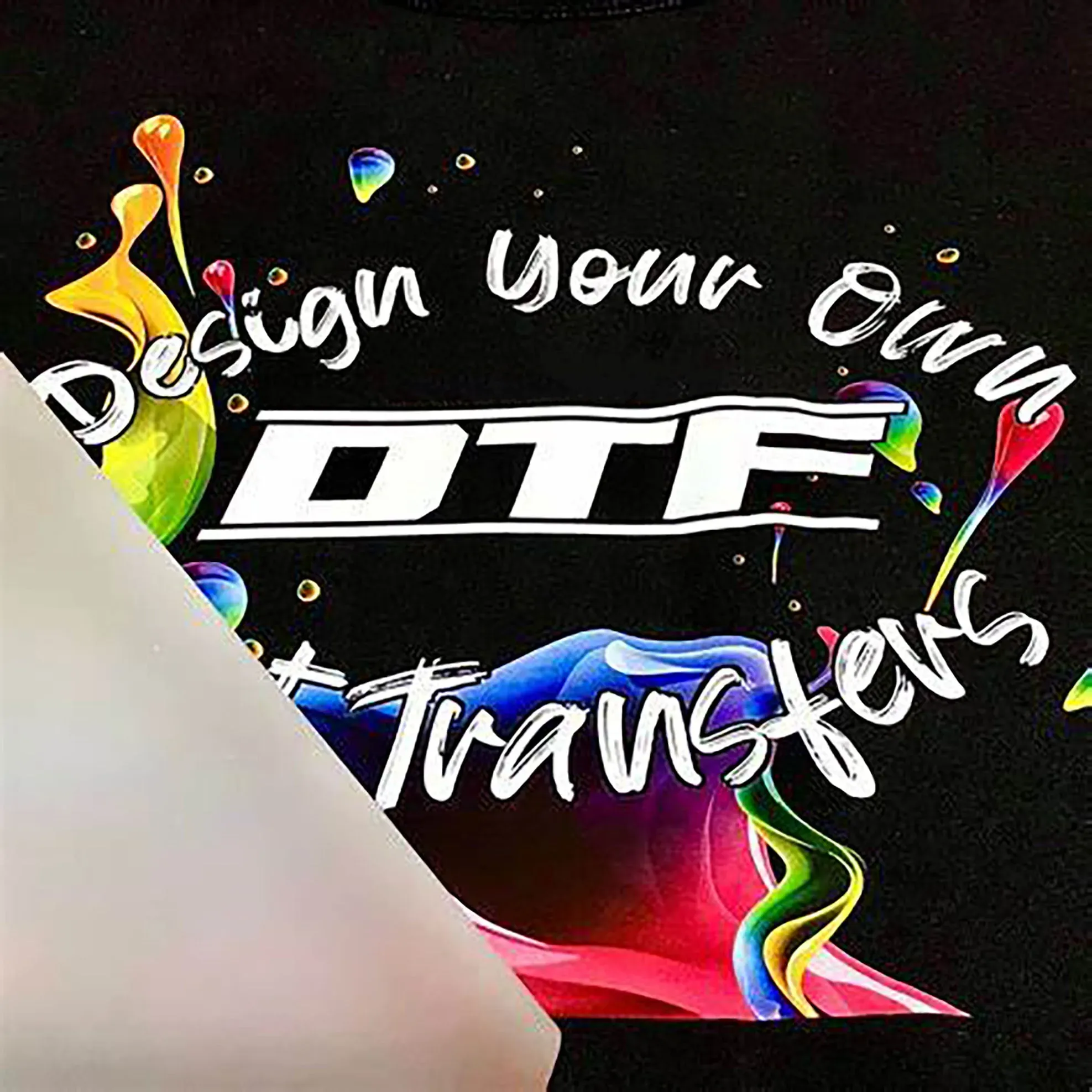
DTF transfers, or Direct to Film transfers, have revolutionized the custom printing industry, providing an innovative solution for applying designs onto various fabrics. This cutting-edge method allows for striking print quality, vibrant colors, and exceptional versatility, making it an ideal choice for businesses looking to stand out. Unlike traditional printing methods, DTF printing utilizes a specialized film to seamlessly transfer intricate designs onto textiles, ensuring impressive detail and durability. As a result, it’s no wonder that DTF transfers have gained popularity among brands aiming to deliver high-quality personalized merchandise, from apparel to promotional items. In this article, we will explore the many benefits and exciting developments surrounding DTF transfers, inviting you to unlock the full potential of this breakthrough in textile printing.
Direct to Film transfers represent a significant advancement in the realm of custom imprints on fabrics and textiles. Known for their ability to deliver outstanding vibrancy and detail, these innovative prints are tailored for a variety of materials, making them a flexible solution for anyone involved in fabric designs. Leveraging the capabilities of DTF printing, creatives can produce high-quality outputs with ease, catering to a diverse customer base. This article will delve into the numerous advantages of utilizing DTF transfers, shedding light on their functionality in custom printing endeavors and how they can enhance the print quality for businesses of all sizes.
The Advantages of DTF Printing for Custom Fabrics
DTF transfers are revolutionizing the landscape of custom printing, offering unparalleled advantages for projects involving fabrics. The primary benefit of using DTF printing is its high print quality, which allows for vibrant colors and intricate detail that resist fading over time. This makes DTF ideal for businesses specializing in custom apparel, as their customers demand top-tier print quality that highlights their unique designs.
Another significant advantage of DTF printing is its flexibility in application. DTF transfers can be applied to a wide range of fabrics, including cotton, polyester, and blends, which expands the creative possibilities for entrepreneurs and designers. This adaptability allows custom printers to cater to diverse customer requests, from sportswear to high-fashion garments, making it a highly versatile printing solution.
How DTF Transfers Improve Print Quality
When it comes to print quality, DTF transfers are setting a new standard in the custom printing industry. The DTF printing process involves a specialized method where designs are printed onto a film, which acts as a medium for transferring the design onto the fabric. This process not only preserves the integrity and clarity of the print but also enhances color vibrancy, making designs pop with life and sharpness that traditional printing methods often struggle to achieve.
Moreover, DTF printing ensures that intricate details are preserved, which is particularly crucial for multi-colored logos and elaborate designs. The advanced printing technology showcases the potential of custom printing by producing results that are durable and resistant to wear. As businesses prioritize quality in their offerings, DTF transfers provide a competitive edge by delivering prints that leave a lasting impression.
The Technological Edge of DTF Transfers
Recent advancements in DTF technology are significantly contributing to its rapid growth within the printing market. Innovations in ink formulations, such as the development of water-based inks, enhance not only print quality but also environmental sustainability. By utilizing eco-friendly materials, DTF printing aligns with the increasing demand from consumers for sustainable practices, thus broadening its appeal to a more conscientious customer base.
Additionally, improvements in DTF printing machinery and film quality have facilitated better adhesion and durability of printed designs. The continual investment in technology ensures that DTF transfers remain at the forefront of textile printing solutions, providing businesses with the tools they need to succeed in an increasingly competitive market.
DTF Transfers vs. Traditional Printing Methods
One of the most compelling arguments for adopting DTF transfers over traditional printing methods lies in the cost efficiency they offer. Unlike screen printing, which often incurs high setup costs for each design, DTF printing provides a more manageable financial model that benefits small to medium-sized businesses. With lower initial investment requirements and less waste, entrepreneurs can afford to experiment with unique designs without the burden of high overhead costs.
Furthermore, DTF transfers excel in their ability to handle complex designs and smaller runs. Businesses can produce custom orders without facing the limitations of traditional methods, such as minimum batch sizes. This flexibility not only opens new revenue streams but also allows for a more personalized service, positioning businesses to thrive in the custom merchandise market.
Challenges in Implementing DTF Printing
While DTF printing has numerous advantages, it’s crucial to consider the challenges that accompany its implementation. The initial investment in high-quality DTF printers and supplies can pose a barrier for newcomers in the custom printing industry. For many, the cost of equipment and materials may deter them from taking the plunge into this innovative technology.
In addition, maintaining consistent print quality requires meticulous attention to maintenance and calibration of DTF printers. This means that operators need to be trained effectively to handle the technology, ensuring that they can troubleshoot any issues that arise during production. Addressing these challenges upfront can lead to smoother operations and greater success in leveraging DTF transfers for custom applications.
Starting Your Journey with DTF Transfers
Embarking on your DTF printing journey starts with selecting the right equipment. Investing in a printer specifically designed for DTF applications is critical for achieving optimal print quality. It’s also essential to pair this equipment with high-quality film and inks to ensure that the final product meets professional standards. As the technology evolves, staying updated on the latest advancements can greatly enhance your printing capabilities.
In addition to quality equipment, leveraging educational resources can facilitate a smoother entry into DTF printing. Many online resources, from forums to instructional videos, provide the knowledge you need to navigate the challenges of this printing method. Engaging with seasoned professionals in the DTF community can also provide valuable insights and support as you refine your skills and approach to custom printing.
Frequently Asked Questions
What are DTF transfers and how do they work?
DTF transfers, or Direct to Film transfers, utilize a specialized printing process where designs are printed on a film, coated with adhesive powder, and then heat-pressed onto fabrics. This method allows for high print quality and vibrant colors on various textile surfaces.
Why should businesses choose DTF printing for custom textile printing?
Businesses should consider DTF printing due to its cost-effectiveness, high print quality, and versatility. DTF transfers offer exceptional detail and color vibrancy while allowing for printing on a variety of materials, making it ideal for custom jobs.
What types of fabrics are compatible with DTF transfers?
DTF transfers can be applied to a wide range of fabrics, including cotton, polyester, and blends. This versatility makes DTF printing suitable for various textile applications, catering to diverse customer needs.
How does the print quality of DTF transfers compare to other printing methods?
DTF transfers are known for their superior print quality, producing vibrant and intricate designs that rival those of traditional printing methods like screen printing and direct-to-garment (DTG). This high resolution is essential for detailed custom printing.
Are there any challenges associated with using DTF printing technology?
While DTF printing has numerous benefits, potential challenges include the initial investment in quality equipment and the need for regular maintenance and calibration of printers to ensure consistent print quality.
What resources are available for learning about DTF transfers and improving printing skills?
Many educational resources are available online for DTF printing, including instructional videos, webinars, and forums. These resources offer insights into best practices, troubleshooting, and design techniques to enhance your DTF transfer printing skills.
| Key Points | Details |
|---|---|
| What are DTF Transfers? | Direct to Film (DTF) transfers are a method of printing designs onto fabrics using a special film and adhesive powder, followed by heat and pressure to transfer the image. |
| Advantages of DTF Transfers | 1. High Print Quality: Vibrant colors and intricate details. 2. Flexibility: Can print on various substrates like cotton and polyester. 3. Cost-Effective: Lower overheads compared to traditional methods. |
| Recent Developments | 1. Market Growth: Increased adoption by small businesses. 2. Technological Advancements: Improved inks and films for better adhesion. 3. Cost Efficiency: Lower initial setup and ability to produce small runs. |
| Challenges of DTF Transfers | 1. Initial Investment: High-quality printers and supplies can be costly. 2. Maintenance Needs: Regular printer maintenance is essential for consistent quality. |
| How to Get Started | 1. Invest in quality equipment. 2. Utilize educational resources online. 3. Experiment with simple designs before progressing. 4. Connect with DTF communities for support. 5. Market your services on social media. |
Summary
DTF transfers represent a groundbreaking advancement in the custom printing landscape, showcasing unparalleled adaptability and high-quality output. This innovative technique is not just about prints; it opens doors to creative possibilities for businesses by providing vibrant color and detail while being cost-effective for both small and large runs. As the technology evolves, so does the potential for businesses to stand out in a crowded market. Embracing DTF transfers is essential for any forward-thinking print business looking to enhance its offerings and equip itself with the tools to thrive in an ever-competitive industry.