
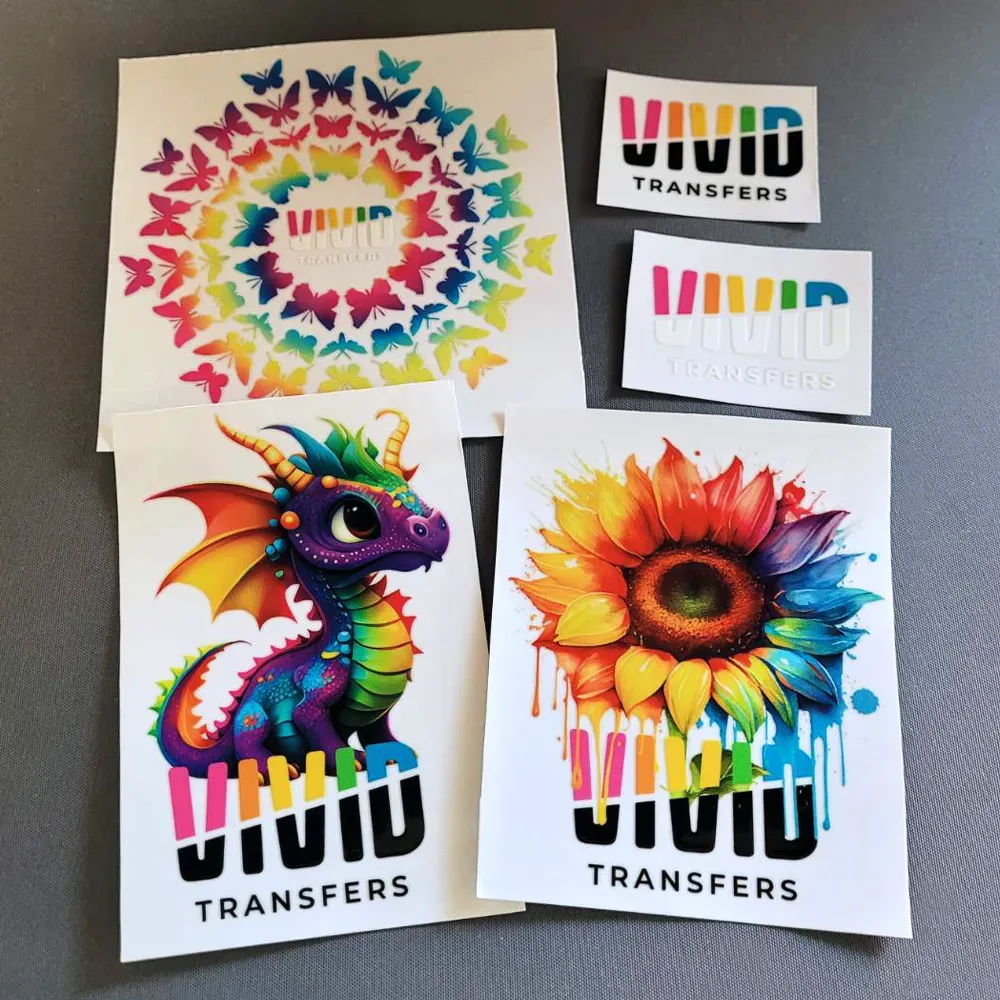
UV DTF transfers are making waves in the printing industry by innovating the way designs are transferred onto various substrates. This advanced technique merges UV printing with Direct to Film transfers, allowing for vibrant, high-resolution prints that stand the test of time. Whether you’re operating in a small workshop or a large scale production setting, mastering UV DTF transfers will undoubtedly enhance the quality of your results and broaden your creative horizons. In this guide, we’ll delve into essential workshop tips that will help you make the most of this cutting-edge printing technology. Join us as we explore effective methods and best practices essential for excelling in UV DTF transfers.
As we journey into the realm of UV DTF transfers, you may also know them as Direct to Film printing, a technique that integrates the precision of UV ink technology with the adaptability of traditional transfer methods. This unique approach not only produces stunning visuals but also offers the durability needed for a wide range of applications. By exploring various printing technology options, including UV and DTF printing techniques, you can discover the potential for elevating your workshop output. In this blog post, we’ll provide valuable insights and workshop tips to help professionals and hobbyists alike refine their skills in this transformative area of printing. Prepare to unlock the secrets of mastering these innovative transfer methods and take your projects to the next level.
What is UV DTF Printing?
UV DTF (Direct to Film) printing is an innovative process that combines the benefits of traditional DTF methods with state-of-the-art UV printing techniques. This technology utilizes UV-cured inks that instantly harden under UV light, producing vibrant and long-lasting prints. Unlike traditional printing methods that rely on heat to cure inks, UV DTF printing allows for faster production times and greater versatility across a variety of substrates, including textiles and rigid materials.
The heart of UV DTF technology lies in its ability to deliver high-resolution images that are both sharp and durable. With advancements in special UV ink formulations, the prints maintain their color integrity even when subjected to various environmental conditions. As printing technology continues to evolve, UV DTF printing stands out for its effective blending of traditional methods with modern innovations, making it a preferred choice for many printing businesses.
Essential Equipment for UV DTF Transfers
Investing in the right equipment is crucial for achieving stunning results with UV DTF transfers. Key items about this printing technology include a top-tier UV printer, specifically manufactured films for DTF, and UV curing lamps. Common brands like Mimaki and Roland offer models tailored to meet different production needs, ensuring that workshops can select equipment that aligns perfectly with their goals and budget. Proper maintenance of this equipment also plays a pivotal role in ensuring lasting quality and performance.
In addition to the printer, the choice of DTF films and adhesives is fundamental. High-quality films designed to maximize UV ink adhesion can dramatically impact the final output’s durability and vibrancy. Furthermore, utilizing modern UV LED curing lamps not only enhances the speed of the printing process but also ensures consistent quality across multiple substrates, whether you are printing on flexible materials or rigid surfaces.
Pre-Press Preparation for Optimal Results
Before starting the printing process, it is essential to carry out thorough pre-press preparations. This stage includes cleaning the substrate surfaces meticulously to remove dust, oils, or any contaminants that could affect the adhesion of UV DTF transfers. Utilizing lint-free cloths and appropriate cleaning solutions tailored for different materials can significantly elevate print quality, ensuring richer colors and more durable results.
Another vital prepress step is the treatment of DTF films. Pre-treating films with specialized solutions can improve ink adherence considerably, especially when dealing with challenging surfaces or intricate designs. By paying attention to these details, printers can set the stage for successful and high-quality outputs, minimizing the risk of common issues during the later stages of production.
Mastering UV DTF Printing Techniques
Mastering UV DTF printing techniques requires a deep understanding of various factors influencing print quality. Setting the printer to high-resolution settings is crucial, as this directly affects the clarity and vibrancy of the final product. Each material type may require adjustments in the settings to ensure optimal outcomes, making it important for operators to become familiar with the specifics of their equipment.
Layering techniques are another essential component of successful UV DTF printing. For intricate designs, applying multiple ink layers can create a richer, more textured appearance, but careful management of the curing process is vital to avoid distortions. By establishing a good balance in curing times and ink application, workshops can create beautifully layered prints that stand out without compromising quality.
Post-Press Best Practices
Effective post-press methods play a significant role in the overall success of UV DTF transfers. After printing, thorough curing under UV lamps is necessary to ensure that inks are adequately set. Under-curing can lead to smudged prints or reduced durability, negatively impacting the final product. Therefore, it’s essential to monitor the timing and exposure for each substrate type to optimize results and enhance print longevity.
Utilizing a heat press after curing can further improve the ink’s adherence to the substrate, ensuring that designs withstand everyday use and washing. This post-press step not only solidifies the print’s durability but can also subtly enhance the finished quality by smoothing out any surface irregularities. Implementing these best practices ensures that every print produced is of the highest standard.
Troubleshooting Common Challenges in UV DTF Printing
Even the most skilled technicians may encounter challenges with UV DTF printing. Common issues include ink smudging, which often arises from inadequate curing during the printing process. Addressing this involves reviewing the curing settings and ensuring that the exposure times are adjusted correctly to fit each unique substrate. Being vigilant against these problems assures that print quality remains consistently high.
Another frequent challenge is poor adhesion of prints to substrates, which usually results from insufficient cleaning or improper film treatment. To mitigate this, always adhere strictly to pre-press protocols and ensure substrates are thoroughly prepared before printing. Regular calibration of the printer is also essential to avoid color inconsistencies, maintaining quality across multiple prints and runs.
Frequently Asked Questions
What are the advantages of using UV DTF transfers in printing technology?
UV DTF transfers combine the efficiency of Direct to Film printing with the advantages of UV printing techniques. This results in high-resolution prints that are vibrant, durable, and versatile for various substrates, including textiles and rigid materials.
What equipment is essential for mastering UV DTF transfers?
To effectively execute UV DTF transfers, essential equipment includes a reliable UV printer, high-quality DTF films and adhesives, and UV LED curing lamps. Investing in these components ensures optimal print quality and durability.
How important is pre-press preparation for UV DTF transfers?
Pre-press preparation is crucial for UV DTF transfers. Ensuring clean surfaces and pre-treating the film significantly enhances ink adherence and the overall quality of the final prints, making them more vibrant and long-lasting.
What are some common issues faced with UV DTF transfers and how can they be resolved?
Common issues in UV DTF transfers include ink smudging, poor adhesion, and color inconsistencies. These can typically be resolved by ensuring adequate curing, proper treatment of films, and regular calibration of printers.
What is the significance of post-press methods in UV DTF printing?
Post-press methods such as thorough curing under UV lamps and using a heat press are vital for securing ink adhesion in UV DTF transfers. Proper post-press treatment enhances the durability and quality of the printed products.
How can workshops stay updated on the latest in UV DTF transfers?
Workshops can stay informed by engaging with online forums, participating in specialized webinars, and following industry-specific blogs and YouTube channels focused on UV DTF printing technology.
| Key Aspect | Description |
|---|---|
| Introduction | UV DTF transfers revolutionize printing by combining UV printing precision with versatile DTF methods. |
| Technology Understanding | UV DTF provides high-resolution, vibrant prints with durable UV-cured inks, suitable for various substrates. |
| Equipment Needed | Essential tools include reliable UV printers, quality DTF films, adhesives, and UV curing lamps. |
| Pre-Press Preparation | Clean surfaces and possibly pre-treat DTF film to boost adherence and rich colors. |
| Printing Techniques | Utilize high-resolution settings and layering techniques for complex designs. |
| Post-Press Methods | Proper curing and heat pressing to finalize transfers and ensure durability. |
| Common Issues | Ink smudging, poor adhesion, and color inconsistencies can be troubleshooted effectively. |
| Continued Learning | Stay updated through online forums, webinars, and workshops to enhance skills. |
Summary
UV DTF Transfers are transforming the printing industry by offering a blend of precision and versatility that has never been seen before. As this innovative technology continues to evolve, understanding its key components and techniques is essential for achieving high-quality results. From employing the correct equipment to mastering pre-press, printing, and post-press techniques, each step plays a critical role in the final output. As every workshop and printing project is unique, continuous learning and adaptation become vital to stay competitive in this vibrant field. By embracing these insights, you can ensure that your UV DTF transfers not only meet but exceed quality standards, making your work stand out in a crowded marketplace.